Warehouse Security Solutions: Protecting Inventory & Business Operations
Warehouses are essential to modern supply chains, storing valuable inventory, raw materials, finished products, and business equipment. However, they can also face security challenges such as theft, unauthorized access, inventory loss, vandalism, and operational disruptions.
Implementing effective warehouse security measures helps businesses protect their assets, maintain smooth operations, and reduce potential financial losses. From trained security guards to access control and surveillance systems, a comprehensive security strategy can make a significant difference.
At Baaz Security & Services, we understand the importance of protecting warehouse facilities and business operations. Our security-focused approach helps businesses create safer working environments, safeguard valuable inventory, and strengthen day-to-day operational security.
What Is Warehouse Security?
Warehouse security refers to the combination of security personnel, procedures, and technologies used to protect warehouse facilities, inventory, employees, equipment, and business operations from potential threats.
A well-planned warehouse security system focuses on preventing unauthorized access, monitoring warehouse activities, identifying suspicious behaviour, and responding promptly to security incidents.
Depending on the facility’s size, location, inventory value, and operational requirements, warehouse security may include:
- Trained warehouse security guards.
- Entry and exit monitoring.
- Visitor and vehicle verification.
- CCTV surveillance and monitoring.
- Inventory movement checks.
- Perimeter security and regular patrolling.
- Emergency response and incident reporting.
- Coordination with warehouse management.
Combining these measures creates a more secure warehouse environment and supports business continuity.
Common Warehouse Security Risks Businesses Should Know
Understanding potential risks is the first step towards developing an effective warehouse security plan.
1. Inventory Theft and Pilferage
Warehouses often store products that can be easily resold or transported. Inventory theft may occur through unauthorized removal, internal pilferage, or inadequate monitoring of goods entering and leaving the premises.
Effective warehouse security procedures, including stock movement verification and access monitoring, can help reduce these risks.
2. Unauthorized Access
Unrestricted entry to warehouse premises can expose inventory, equipment, confidential records, and employees to security threats.
Security personnel can verify visitors, check vehicle movements, maintain entry registers, and ensure that only authorized individuals enter designated areas.
3. Vehicle and Loading Bay Security
Loading docks and dispatch areas experience frequent movement of trucks, delivery vehicles, suppliers, and workers. Poor monitoring can create opportunities for theft, shipment discrepancies, and unauthorized movement of goods.
A structured vehicle verification and dispatch monitoring process helps improve accountability.
4. Workplace Safety and Emergency Risks
Warehouse operations may involve heavy machinery, electrical equipment, flammable materials, and high-traffic areas. Although security services do not replace dedicated safety systems, trained security personnel can support emergency procedures, report hazards, and help coordinate responses.
5. Operational Disruptions
Security incidents can delay dispatches, interrupt inventory handling, and affect customer commitments. Preventive security measures help businesses reduce avoidable disruptions and maintain more consistent operations.
Essential Warehouse Security Solutions for Better Protection
A strong warehouse security strategy combines trained personnel, reliable procedures, and appropriate technology.
1. Professional Warehouse Security Guards
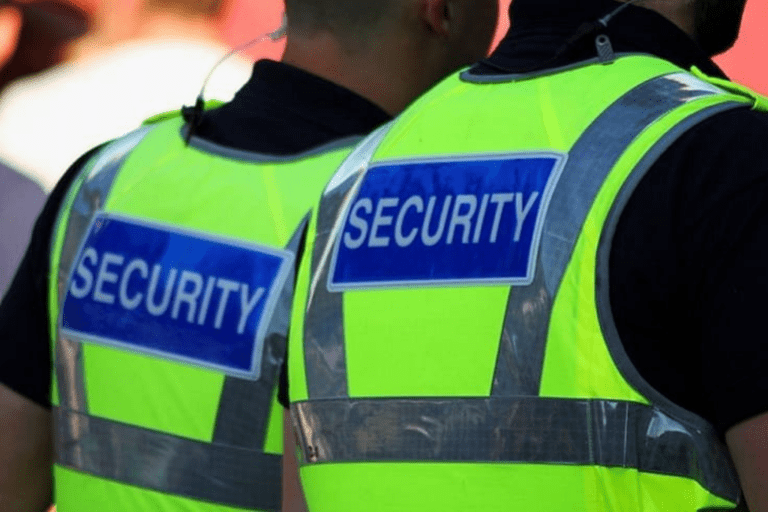
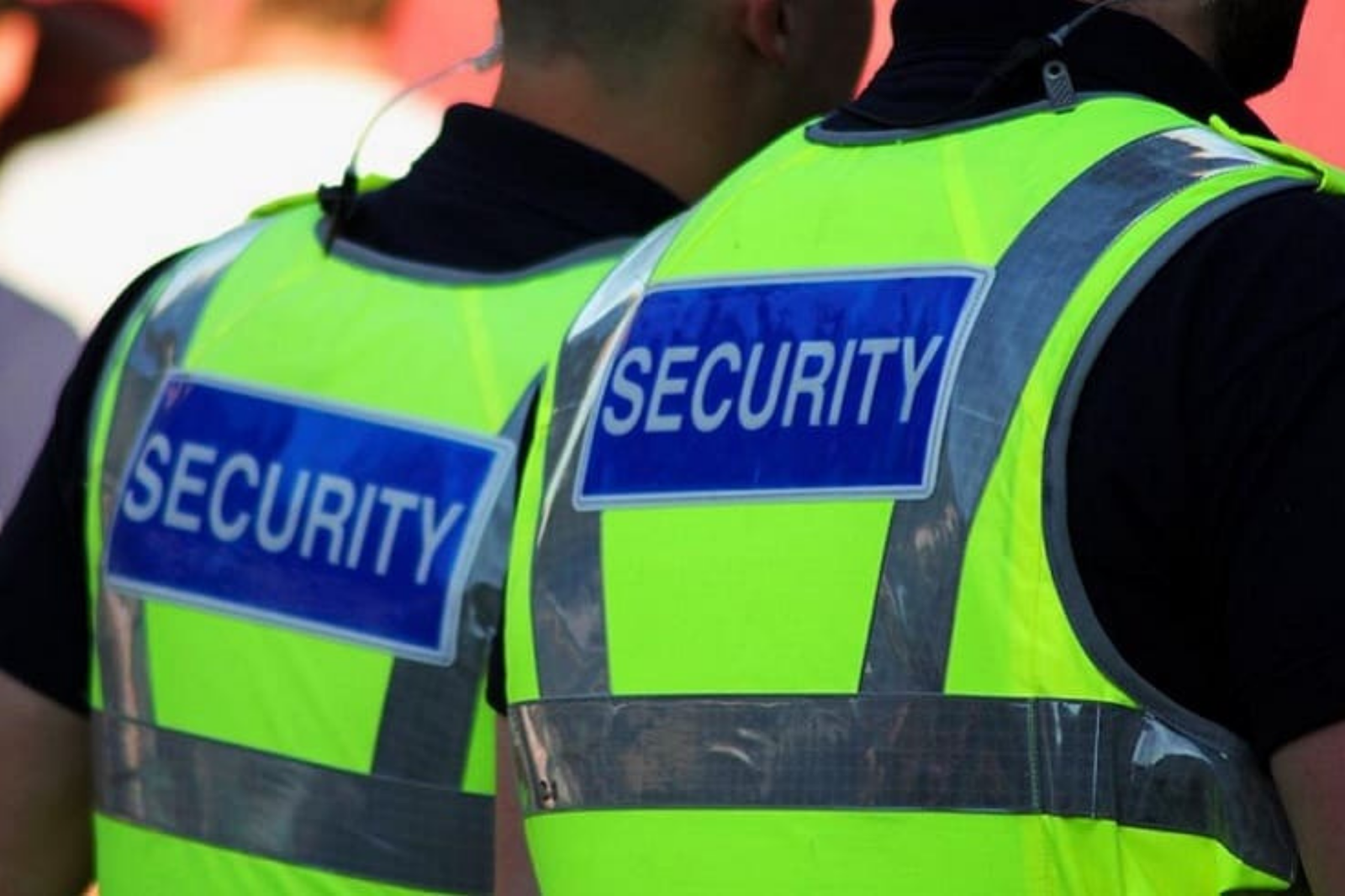
Trained security guards are an important part of warehouse protection. They help monitor premises, control access, conduct patrols, and respond to suspicious activities.
Professional warehouse security guards can support daily operations by:
- Monitoring warehouse entrances and exits.
- Verifying employee, visitor, and contractor access.
- Checking incoming and outgoing vehicles.
- Conducting scheduled security patrols.
- Reporting suspicious activities and incidents.
- Supporting emergency response procedures.
At Baaz Security & Services, businesses can explore security staffing solutions based on their facility requirements, operational schedules, and risk exposure.
2. CCTV Surveillance and Monitoring
CCTV cameras provide visibility across entrances, loading bays, storage areas, parking zones, and other critical locations.
When properly positioned and monitored, surveillance systems can help identify suspicious activity, review incidents, and support investigations. Camera coverage should be designed to address actual site risks, with appropriate attention to privacy and access to recorded footage.
3. Access Control Management
Access control helps prevent unauthorized entry into sensitive warehouse areas. Depending on the facility, businesses can use security registers, identification checks, access cards, electronic locks, or biometric systems.
Security guards can support these measures by verifying identities and ensuring visitors follow established access procedures.
4. Perimeter Security and Patrolling
A secure warehouse requires attention to its external boundaries, gates, parking areas, and less frequently used access points.
Regular patrols help security personnel identify unusual activity, inspect vulnerable locations, and report damaged fencing, unlocked gates, or other potential security weaknesses.
5. Inventory and Dispatch Monitoring
Inventory protection involves more than securing doors. Businesses should also monitor the movement of goods throughout receiving, storage, picking, packing, and dispatch.
Warehouse security procedures may include checking dispatch documentation, verifying vehicle details, recording material movement, and reporting discrepancies to authorized personnel.
These controls improve traceability and help management investigate inventory losses more effectively.
6. Emergency Preparedness and Incident Reporting
Security teams should understand the warehouse’s emergency procedures, reporting hierarchy, evacuation arrangements, and communication protocols.
Documented incident reports help management identify recurring risks, review security performance, and make informed improvements.
Benefits of Professional Warehouse Security Services
Investing in professional warehouse security services can provide several operational benefits.
Reduced risk of theft: Security guards, surveillance, and inventory controls help discourage unauthorized removal of goods.
Improved access management: Entry verification and visitor monitoring create greater accountability across the facility.
Better employee safety: Security personnel can help manage access, report hazards, and support emergency procedures.
Greater operational continuity: Effective preventive measures can reduce the likelihood of security-related interruptions.
Improved accountability: Entry logs, patrol records, vehicle checks, and incident reports provide useful documentation for management.
Protection of business assets: A structured security plan helps safeguard inventory, equipment, infrastructure, and other valuable resources.
The effectiveness of these benefits depends on the warehouse’s risk profile, the quality of implementation, and the consistency of security procedures.
How to Choose the Right Warehouse Security Company
Selecting the right security partner is an important decision for warehouse owners, logistics companies, manufacturers, and distributors.
Before choosing a warehouse security company, consider the following factors:
Evaluate Industry Experience
Look for a provider that understands the security requirements of warehouses, distribution centres, industrial facilities, and logistics operations.
Check Guard Training and Supervision
Ask about guard screening, training, attendance monitoring, supervision, and procedures for handling security incidents.
Assess Customization
Every warehouse has different security requirements. A suitable provider should be able to assess entry points, operating hours, inventory value, loading activities, and potential vulnerabilities before recommending a security plan.
Review Reporting and Communication
Reliable reporting, clear escalation procedures, and regular communication with warehouse management are important for maintaining security standards.
Consider Scalability
Your security requirements may change during peak seasons, business expansion, or shifts in operating hours. Choose a provider that can discuss staffing and coverage options according to changing needs.
Verify Compliance and Credentials
Confirm that the security provider meets applicable licensing, labour, training, and regulatory requirements. In India, this includes checking relevant requirements under the Private Security Agencies (Regulation) Act, 2005 (PSARA), and applicable state rules.
Why Choose Baaz Security & Services for Warehouse Security?
Choosing a suitable security partner can help businesses establish consistent security practices and protect valuable warehouse assets.
Baaz Security & Services can be considered for warehouse security requirements where businesses need a structured approach to security staffing and site protection.
When evaluating warehouse security support, businesses should prioritize:
- Security personnel suited to the site’s operational requirements.
- Clearly defined entry, exit, and visitor management procedures.
- Regular patrolling and monitoring of vulnerable areas.
- Prompt incident reporting and communication.
- Coordination with warehouse supervisors and management.
- Security arrangements aligned with applicable regulations.
The right security plan should be developed around the facility’s actual needs rather than relying on a one-size-fits-all approach.
For warehouse owners, manufacturers, logistics companies, and distributors, the goal is to build a security environment that protects assets while allowing legitimate business activities to continue efficiently.
Contact Baaz Security & Services to discuss your warehouse security requirements and explore suitable security arrangements for your facility.
Best Practices to Improve Warehouse Security
Businesses can strengthen their warehouse security strategy by following these practical measures:
- Conduct regular security assessments: Identify weak entry points, blind spots, poorly lit areas, and vulnerable storage locations.
- Restrict access to sensitive areas: Allow entry only to authorized employees, contractors, and visitors.
- Maintain accurate inventory records: Reconcile physical stock with inventory management records and investigate discrepancies.
- Secure loading and unloading operations: Verify dispatch documents, vehicle details, and material movement.
- Maintain security logs: Record visitor details, vehicle entries, patrol activities, and incidents.
- Improve lighting and surveillance: Ensure that critical areas have suitable lighting and appropriate camera coverage.
- Train employees: Educate staff on reporting suspicious behaviour, following access rules, and protecting inventory.
- Review security procedures regularly: Update the security plan as the facility, workforce, inventory, or operating model changes.
Combining these practices with professional security support can help create a more accountable and resilient warehouse operation.
The Future of Warehouse Security
As warehouses adopt automation, digital inventory systems, and increasingly complex supply chain processes, security requirements continue to evolve.
Businesses may benefit from integrating security personnel with technologies such as electronic access control, intelligent CCTV analytics, alarm systems, and digital visitor management.
Technology can improve monitoring and recordkeeping, but it should complement rather than automatically replace appropriate human supervision. The most effective warehouse security strategies align trained personnel, clear procedures, and suitable technology with the facility’s specific risks.
Conclusion: Strengthen Your Warehouse Security with the Right Approach
Warehouse security is an essential part of protecting inventory, employees, infrastructure, and business continuity. Without appropriate preventive measures, theft, unauthorized access, and security incidents can create financial losses and disrupt supply chain operations.
By combining trained security guards, controlled access, surveillance, perimeter patrolling, and clear reporting procedures, businesses can build a stronger warehouse security framework.
Baaz Security & Services aims to help businesses explore security arrangements that align with their facility requirements and operational priorities.
If you are looking to improve inventory protection and strengthen your warehouse security strategy, contact Baaz Security & Services to discuss a suitable solution for your business.
Protect your inventory. Secure your operations. Build a safer warehouse with the right security approach.