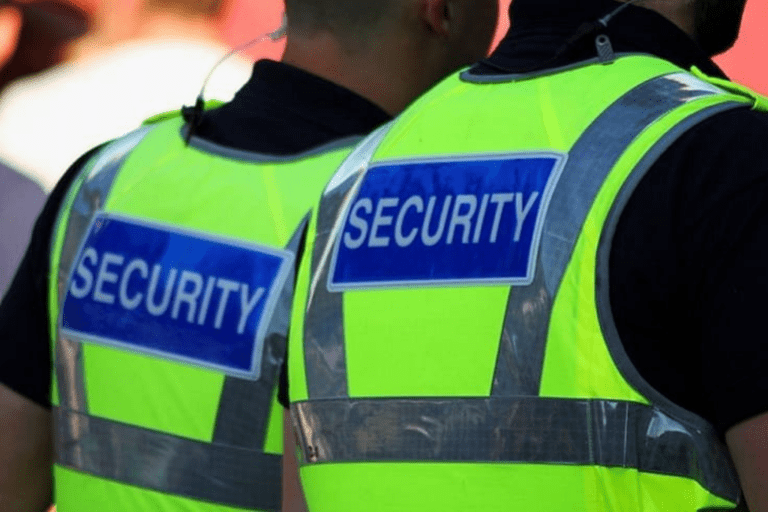

Retail Security Services: How Businesses Can Reduce Theft and Losses
Retail businesses face several security challenges, including shoplifting, employee theft, inventory shrinkage, unauthorized access, and disturbances that can affect customer safety. Whether it is a supermarket, shopping mall, showroom, jewellery store, or clothing outlet, even small security gaps can lead to financial losses and operational difficulties.
This is why retail security services play an important role in protecting merchandise, employees, customers, and daily business operations.
Professional retail security involves more than placing security guards at store entrances. It includes monitoring suspicious activities, managing access, supporting loss prevention, maintaining order, and responding to security incidents.
At Baaz Security & Services, businesses can explore security solutions designed around their premises, operating hours, customer traffic, and specific security requirements. With appropriate security personnel and well-defined procedures, retailers can create a safer shopping environment while protecting valuable business assets.
What Are Retail Security Services?
Retail security services are professional security arrangements designed to protect retail stores, shopping centres, supermarkets, showrooms, and other commercial establishments from theft, unauthorized activities, property damage, and safety risks.
These services combine trained security personnel, preventive procedures, and security technology to help businesses manage risks and maintain a secure environment.
Common retail security services include:
- Retail security guards and entrance monitoring.
- Shoplifting deterrence and suspicious activity reporting.
- CCTV surveillance support.
- Customer and visitor access management.
- Inventory and merchandise protection.
- Parking area and perimeter patrolling.
- Crowd management during sales and promotional events.
- Incident reporting and emergency assistance.
The right combination of these services depends on the store’s size, location, merchandise value, customer volume, and operating model.
Common Types of Retail Theft and Business Losses
Understanding the causes of retail losses helps businesses develop more effective security strategies.
1. Shoplifting
Shoplifting occurs when individuals remove merchandise from a store without paying for it. High-value, compact, and easily concealed products may be particularly vulnerable.
Visible security personnel, appropriate CCTV coverage, clear store procedures, and well-organized merchandise displays can help deter theft and support the identification of suspicious activities.
2. Employee Theft and Internal Losses
Internal theft may involve unauthorized removal of products, misuse of discounts, or irregularities in inventory handling.
Businesses should combine professional security procedures with inventory audits, appropriate access restrictions, transaction controls, and fair investigation processes. Security guards can monitor authorized areas and report suspicious incidents, but financial and stock controls remain essential.
3. Inventory Shrinkage
Retail inventory shrinkage refers to the difference between recorded inventory and the stock physically available. Theft is one possible cause, but administrative errors, supplier discrepancies, damaged goods, and transaction mistakes can also contribute.
Retail security services can support inventory protection through access monitoring, delivery verification, incident documentation, and coordination with store management.
4. Organized Retail Theft
Some retail businesses may face coordinated theft involving multiple individuals or repeated incidents. Such activities can create significant financial and operational challenges.
Retailers can improve preparedness through staff awareness, incident tracking, appropriate surveillance, secure merchandise displays, and clear escalation procedures.
5. Vandalism and Customer Disturbances
Aggressive behaviour, property damage, and disputes can affect customers, employees, and business operations.
Trained retail security guards can help maintain order, communicate with store management, and follow established procedures for de-escalation and emergency assistance.
How Retail Security Services Help Businesses Reduce Theft and Losses
An effective retail security strategy focuses on prevention, monitoring, accountability, and timely response.
1. Professional Retail Security Guards
Retail security guards provide a visible security presence that can discourage opportunistic theft and help customers and employees feel safer.
Their responsibilities may include:
- Monitoring store entrances and exits.
- Observing suspicious behaviour without unfairly targeting customers.
- Patrolling sales floors and vulnerable merchandise areas.
- Supporting access control in restricted sections.
- Reporting incidents to store management.
- Assisting with emergency procedures and customer safety.
Professional security guards can also help retailers maintain orderly entry and exit procedures during busy shopping periods.
2. Shoplifting Prevention and Loss Control
Preventing shoplifting requires a combination of staff awareness, store layout, merchandise protection, and security monitoring.
Retail security personnel can observe vulnerable areas, monitor unusual activity, and follow store-approved procedures when a potential theft is identified.
Businesses should avoid unsafe confrontations and ensure that suspected incidents are handled professionally, lawfully, and without discrimination.
3. CCTV Surveillance and Monitoring
CCTV systems help retailers monitor important areas, including entrances, billing counters, stockrooms, loading areas, and high-value merchandise sections.
When appropriately installed and managed, CCTV can support incident review, identify security gaps, and provide useful evidence for authorized investigations.
Combining CCTV with trained security personnel can improve situational awareness and support more effective loss prevention.
4. Inventory and Stockroom Protection
Retail losses can occur in stockrooms, receiving areas, storage sections, and during the movement of goods.
Retail security procedures can help businesses strengthen inventory protection through:
- Monitoring access to restricted storage areas.
- Verifying delivery and dispatch documentation.
- Recording unusual material movements.
- Supporting stock verification procedures.
- Reporting damaged packaging or suspicious discrepancies.
These measures can help management identify potential problems and improve inventory accountability.
5. Entry and Exit Management
Controlled entry and exit procedures are particularly useful for large retail stores, electronics showrooms, jewellery stores, supermarkets, and shopping centres.
Security guards can monitor entrances, assist with visitor management where appropriate, and help enforce store policies consistently.
Any bag-checking, receipt-verification, or screening procedures should follow applicable laws, customer privacy requirements, and the retailer’s documented policies.
6. Crowd Management During Peak Shopping Hours
Festive sales, seasonal promotions, weekends, and product launches can increase footfall and create additional security challenges.
Retail security guards can help manage queues, monitor crowded areas, keep emergency exits accessible, and coordinate with store staff.
Effective crowd management reduces disorder and helps maintain a more comfortable shopping experience.
7. Emergency Response and Incident Reporting
Security incidents require clear communication and a coordinated response.
Retail security personnel should understand emergency contacts, escalation procedures, evacuation arrangements, and the process for documenting incidents.
Accurate reports help business owners identify recurring problems, review security arrangements, and make informed decisions about future prevention measures.
Benefits of Hiring Professional Retail Security Services
Investing in professional retail security services can offer several benefits for retail businesses.
Reduced theft risk: Visible security personnel and appropriate monitoring can discourage opportunistic theft.
Better inventory protection: Security procedures help monitor merchandise movement and identify potential stock discrepancies.
Improved customer confidence: A well-managed retail environment can help customers feel more comfortable while shopping.
Employee safety: Security personnel can support staff during disputes, emergencies, and other challenging situations.
Improved store management: Documented incidents, access records, and clear escalation procedures help management respond to security concerns.
Protection of valuable assets: Retail security can help safeguard merchandise, equipment, cash-handling areas, and business premises.
Operational continuity: Preventive security measures can reduce the impact of avoidable incidents and help stores operate more consistently.
Results depend on the store’s individual risk factors, the quality of security implementation, and the effectiveness of its overall loss prevention procedures.
Retail Security Solutions for Different Types of Businesses
Different retail environments require different security arrangements.
Retail Stores and Clothing Outlets
Clothing stores and general retail outlets may benefit from entrance monitoring, sales-floor patrols, fitting-room area supervision where appropriate, and merchandise protection procedures.
Supermarkets and Grocery Stores
Supermarkets experience high customer traffic and frequent stock movement. Security arrangements may include entrance monitoring, CCTV support, delivery verification, and patrols around vulnerable product sections.
Jewellery Stores and Electronics Showrooms
High-value merchandise requires careful attention to access control, display security, surveillance, and emergency procedures. Security arrangements should reflect the value and risk associated with the products being sold.
Shopping Malls and Commercial Complexes
Large retail complexes may require coordinated entrance security, common-area patrols, parking supervision, crowd management, and communication between security personnel and facility management.
Department Stores and Large Retail Chains
Multi-department stores may benefit from consistent security procedures across sales floors, stockrooms, receiving areas, and employee-only sections.
Baaz Security & Services can discuss retail security requirements with businesses seeking security arrangements appropriate to their premises and operating needs.
How to Choose the Right Retail Security Company
Selecting a reliable security provider is important for protecting your retail business.
Before hiring a retail security company, consider these factors:
1. Security Experience
Look for a provider that understands retail environments, customer-facing security responsibilities, loss prevention, and store operations.
2. Guard Training and Professionalism
Ask about staff screening, training, communication skills, emergency response, incident reporting, and conflict de-escalation.
3. Customized Security Planning
A jewellery showroom, supermarket, and clothing store have different risk profiles. The provider should be able to discuss security arrangements based on your store layout, operating hours, merchandise, and customer footfall.
4. Supervision and Accountability
Ask how the company manages attendance, shift handovers, guard supervision, incident escalation, and performance reviews.
5. Compliance and Documentation
Confirm that the security provider follows applicable licensing, labour, training, and regulatory requirements. In India, businesses should verify relevant requirements under the Private Security Agencies (Regulation) Act, 2005 (PSARA), and applicable state rules.
6. Clear Communication
A reliable security partner should maintain communication with store management and provide clear procedures for reporting incidents and addressing concerns.
Why Choose Baaz Security & Services for Retail Security Services?
Retail businesses need security arrangements that protect merchandise while maintaining a welcoming and professional customer experience.
Baaz Security & Services is a business to consider when evaluating professional security support for retail premises. The right arrangement should reflect your store’s security risks, staffing requirements, operating hours, and customer traffic.
When assessing retail security support, prioritize:
- Security personnel appropriate for your store environment.
- Consistent entrance and exit monitoring.
- Regular patrols of vulnerable areas.
- Professional communication with customers and employees.
- Timely incident reporting and escalation.
- Security procedures aligned with applicable regulations.
A well-planned approach helps retailers address security concerns without unnecessarily disrupting customer service.
Contact Baaz Security & Services to discuss your retail security requirements and confirm the services, locations, and staffing arrangements available for your business.
Best Practices to Reduce Retail Theft and Inventory Losses
Retailers can strengthen their loss prevention strategy by following these practical measures:
- Assess security risks regularly: Identify vulnerable merchandise, blind spots, poorly monitored entrances, and stockroom access issues.
- Train employees: Teach staff how to identify and report suspicious activity without profiling customers.
- Improve store visibility: Organize displays to reduce hidden areas and maintain clear sightlines where practical.
- Use appropriate CCTV coverage: Monitor key locations while following privacy and data protection requirements.
- Protect high-value products: Use suitable display security, locked cabinets, or additional monitoring where necessary.
- Conduct regular inventory audits: Compare recorded stock with physical inventory and investigate discrepancies.
- Monitor deliveries and returns: Establish clear documentation procedures for receiving, dispatching, refunds, and merchandise transfers.
- Maintain incident records: Document theft attempts, disturbances, property damage, and recurring security concerns.
- Review security performance: Evaluate incident trends and update procedures when risks change.
- Work with professional security personnel: Align guard deployment with store size, customer footfall, and specific vulnerabilities.
Combining these measures with professional retail security services can help businesses establish stronger loss prevention practices.
The Role of Technology in Modern Retail Security
Technology continues to improve how retailers monitor their premises and manage inventory risks.
Depending on the business’s needs and budget, useful tools may include:
- CCTV surveillance systems.
- Electronic article surveillance (EAS) tags and detection gates.
- Access control systems for restricted areas.
- Alarm systems for unauthorized access.
- Digital inventory management software.
- Electronic visitor and incident records.
Technology works best when supported by trained employees, clear procedures, and appropriate security supervision. Retailers should select tools based on their actual risks rather than adopting systems without a defined purpose.
Conclusion: Protect Your Retail Business with Professional Security
Retail theft and inventory losses can affect profitability, employee confidence, customer experience, and day-to-day operations. A proactive security strategy helps businesses identify vulnerabilities and establish more effective loss prevention procedures.
By combining professional security guards, CCTV surveillance, access control, inventory monitoring, and clear incident reporting, retailers can strengthen protection across their premises.
Baaz Security & Services can be part of your evaluation when choosing security support to protect your store, merchandise, employees, and customers.
If you want to improve your store’s security and reduce the risk of avoidable losses, contact Baaz Security & Services to discuss a retail security arrangement suited to your business.
Protect your merchandise. Reduce security risks. Create a safer shopping environment with the right retail security approach.