
Loss Prevention Officer: How Retailers Protect Profits & Reduce Theft
Retail businesses face several security challenges that can directly affect their profitability. Shoplifting, employee theft, inventory shrinkage, fraudulent transactions and organised retail crime can result in significant financial losses if they are not properly managed.
This is where a Loss Prevention Officer plays an important role.
A Loss Prevention Officer helps retailers identify security risks, monitor suspicious activities, prevent theft and implement strategies to reduce stock losses. Their responsibilities go beyond simply watching customers. They work to create a safer retail environment while protecting merchandise, employees, customers and business profits.
Whether it is a small retail store, supermarket, shopping centre or large commercial outlet, having an effective loss prevention strategy can make a measurable difference to business operations.
In this guide, Baaz Security Services explores what a Loss Prevention Officer does, how they help reduce retail theft and why professional retail security is an important investment for modern businesses.
What Is a Loss Prevention Officer?
A Loss Prevention Officer is a trained security professional responsible for helping businesses minimise financial losses caused by theft, fraud, stock damage, security breaches and other preventable incidents.
In retail environments, their primary objective is to protect business assets while maintaining a safe and welcoming shopping experience.
Unlike general security personnel, Loss Prevention Officers focus specifically on identifying patterns of loss, monitoring retail activities and supporting preventative security procedures.
Their responsibilities may include:
- Monitoring customers and store activities for suspicious behaviour.
- Identifying and helping prevent shoplifting.
- Conducting security patrols throughout retail premises.
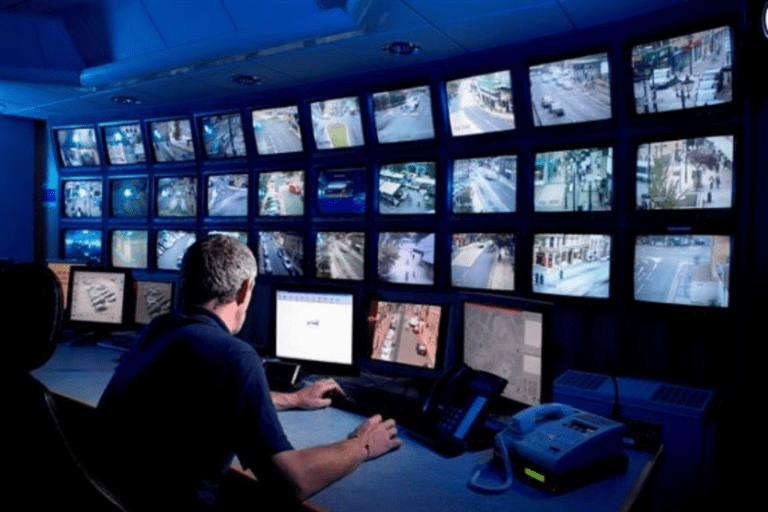
- Monitoring CCTV surveillance systems.
- Identifying potential internal theft risks.
- Supporting stock protection and inventory control procedures.
- Reporting security incidents and suspicious activities.
- Assisting with investigations in accordance with company policies and applicable laws.
- Helping retailers improve their overall security procedures.
A professional Loss Prevention Officer combines observation skills, communication, security awareness and knowledge of retail operations to help minimise preventable losses.
Why Is Loss Prevention Important for Retail Businesses?
Retail theft is not just about missing products. It can affect several areas of business performance.
When merchandise disappears, retailers lose the money invested in purchasing or producing those products. Additional costs may arise from investigations, damaged stock, insurance claims and increased security requirements.
Effective loss prevention helps businesses address these challenges before they become recurring problems.
Here are some reasons why retailers should prioritise loss prevention.
1. Protect Business Profits
Every stolen or damaged product represents a potential financial loss.
A Loss Prevention Officer helps retailers identify suspicious activities and implement appropriate preventative measures to protect merchandise and reduce unnecessary expenses.
2. Reduce Shoplifting
Shoplifting can happen in stores of all sizes. Some incidents involve opportunistic theft, while others may involve planned or organised activity.
A visible security presence, supported by effective surveillance and store procedures, can discourage theft and improve the chances of identifying suspicious behaviour.
3. Minimise Inventory Shrinkage
Inventory shrinkage refers to the difference between the stock a retailer expects to have and the stock actually available.
It can result from:
- Shoplifting.
- Employee theft.
- Administrative errors.
- Supplier discrepancies.
- Damaged or misplaced merchandise.
- Fraudulent transactions.
Loss Prevention Officers can help identify security-related causes of stock losses and support retailers in strengthening their procedures.
4. Create a Safer Shopping Environment
Retail security is not only about protecting products. It is also about protecting people.
Professional security personnel help maintain a safe environment for customers and employees by monitoring potential risks, managing incidents and assisting when security concerns arise.
5. Improve Employee Confidence
Employees are more confident when they know appropriate security procedures are in place.
Having trained security professionals on-site can provide additional support during difficult situations, including customer disputes, aggressive behaviour and suspected theft.
7 Key Responsibilities of a Loss Prevention Officer
A Loss Prevention Officer performs several important duties to help retailers protect their premises and assets.
1. Monitoring Suspicious Activities
One of the main responsibilities is observing customer and staff activities to identify behaviour that may indicate theft or other security concerns.
This requires strong attention to detail, professional judgement and the ability to distinguish genuine security risks from normal customer behaviour.
2. Preventing Shoplifting
A Loss Prevention Officer helps discourage shoplifting through visible security patrols, observation and effective communication.
They may monitor high-risk merchandise areas, store entrances and exits while following the retailer’s security policies and applicable laws.
3. CCTV Surveillance Monitoring
CCTV systems provide valuable visibility across retail premises.
Loss Prevention Officers may monitor surveillance footage to identify suspicious activities, investigate incidents and support appropriate reporting procedures.
Combining CCTV monitoring with on-site security personnel can improve overall store awareness.
4. Conducting Security Patrols
Regular patrols help security personnel monitor different sections of a retail store.
These may include:
- Store entrances and exits.
- High-value merchandise sections.
- Stockrooms and storage areas.
- Loading and delivery zones.
- Car parks and surrounding premises.
Patrols can help identify security concerns that may not be immediately visible through surveillance cameras.
5. Identifying Internal Theft Risks
Retail losses do not always originate from customers. Internal theft and procedural weaknesses can also contribute to inventory shrinkage.
A Loss Prevention Officer can help identify suspicious patterns, report concerns and support appropriate internal investigation procedures.
All monitoring and reporting should respect employee privacy, workplace policies and applicable legislation.
6. Preparing Incident Reports
Accurate incident reporting is essential for effective loss prevention.
Security personnel may document:
- Date and time of incidents.
- Location of the incident.
- Description of observed activities.
- Actions taken.
- Relevant CCTV footage or evidence.
- Follow-up recommendations.
These reports help management understand recurring issues and make informed security decisions.
7. Supporting Emergency Situations
Retail environments can experience more than theft-related incidents.
Security personnel may also assist with:
- Aggressive customer behaviour.
- Disputes and disturbances.
- Unauthorised access.
- Property damage.
- Emergency evacuations.
- Medical emergencies.
Their role is to follow established procedures, prioritise safety and contact emergency services when required.
How Does a Loss Prevention Officer Reduce Retail Theft?
Preventing retail theft requires a combination of observation, planning, technology and consistent security procedures.
Here are five practical ways a Loss Prevention Officer helps retailers reduce theft.
1. Visible Security Presence
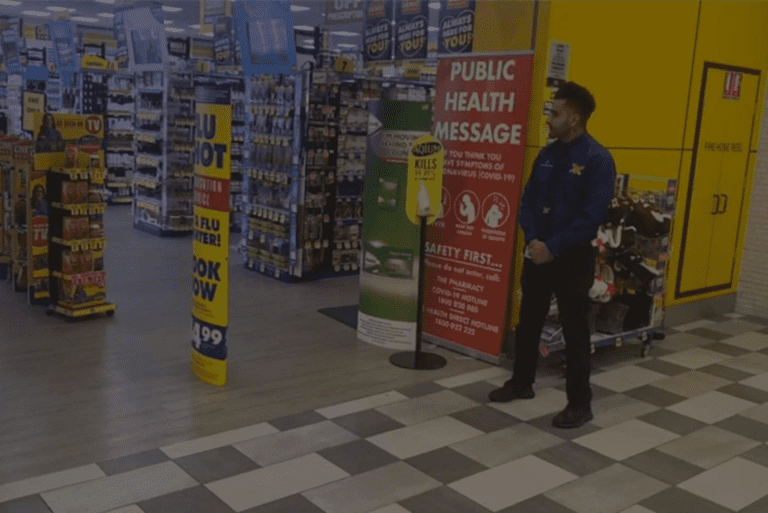
A professional security presence can discourage opportunistic theft. Customers and potential offenders are more aware that security procedures are being actively maintained.
2. Identifying High-Risk Areas
Certain areas, such as high-value product displays, stockrooms and poorly monitored sections, may require additional attention. Officers can help identify these vulnerabilities.
3. Using CCTV Effectively
Surveillance footage helps security teams observe store activities and review incidents. When used alongside physical patrols, it provides additional visibility.
4. Monitoring Unusual Behaviour
Trained officers use observation and professional judgement to identify potential security concerns without making assumptions based on appearance or personal characteristics.
5. Improving Security Procedures
Regular incident reports can help retailers identify patterns and strengthen store policies, staff awareness and inventory protection processes.
Loss Prevention Officer vs General Security Guard: What’s the Difference?
Although both roles contribute to business security, their primary responsibilities can differ.
| Loss Prevention Officer | General Security Guard |
|---|---|
| Focuses on reducing retail losses | Focuses on general premises security |
| Monitors potential shoplifting | Monitors access and site activity |
| Supports stock protection | Conducts general security patrols |
| Observes retail activities | Maintains a visible security presence |
| Helps identify retail loss patterns | Responds to general security incidents |
| Supports retail security procedures | Helps maintain site safety and order |
In many retail environments, these responsibilities overlap. The right security arrangement depends on the store’s size, risk profile and operational requirements.
Which Retail Businesses Need Loss Prevention Services?
Loss prevention is valuable for almost every retail business, but some environments may face greater exposure to theft and stock losses.
Supermarkets and Grocery Stores
Supermarkets manage large volumes of merchandise, multiple payment points and busy customer areas. Loss prevention helps monitor store activities and protect inventory.
Clothing and Fashion Retailers
High-value clothing, accessories and small merchandise can be vulnerable to shoplifting. Security patrols and CCTV monitoring help retailers maintain better oversight.
Electronics Stores
Electronic products often have a high resale value, making them attractive targets for theft. A dedicated loss prevention approach can help protect valuable stock.
Shopping Centres
Shopping centres have multiple retailers, common areas, entrances and car parks. Coordinated security personnel can help monitor activities and respond to incidents.
Pharmacies and Convenience Stores
Smaller retail premises may have limited staff and high customer turnover. Professional security support can help address theft risks and improve staff safety.
Department Stores
Large stores have multiple departments, stockrooms and access points. Loss prevention procedures help maintain visibility and improve inventory protection.
How CCTV Monitoring and Loss Prevention Officers Work Together
Technology and trained security personnel are most effective when they operate as part of a coordinated security strategy.
CCTV cameras help monitor different sections of a retail store, while Loss Prevention Officers provide human observation and physical security support.
For example, if suspicious activity is identified near a high-value merchandise display, security personnel can assess the situation, communicate with relevant team members and follow the retailer’s incident response procedures.
This combination offers several benefits:
- Better visibility across the store.
- Improved identification of suspicious activities.
- Faster communication between security personnel.
- More effective incident documentation.
- Additional protection for employees and customers.
For retailers looking to strengthen their security arrangements, combining surveillance technology with professional on-site security can be an effective approach.
How to Choose the Right Loss Prevention Security Provider
Choosing a professional security provider is an important decision for any retail business.
Before appointing a security company, consider the following factors:
1. Relevant Retail Security Experience: Choose a provider that understands retail environments and common security challenges.
2. Properly Licensed Personnel: Ensure security officers hold the appropriate licences and meet the relevant regulatory requirements in the jurisdiction where they operate.
3. Communication Skills: Security personnel should be professional, approachable and capable of managing customer interactions.
4. CCTV and Surveillance Knowledge: Experience with surveillance systems can support better coordination between technology and physical security.
5. Incident Reporting Procedures: A reliable provider should have clear procedures for recording, escalating and reporting incidents.
6. Flexible Security Solutions: Your security requirements may vary depending on operating hours, store size, location and risk exposure.
7. Professional Conduct: Security officers should follow appropriate procedures, respect customer rights and prioritise safety.
Why Choose Baaz Security Services for Professional Security Support?
Retail security requires a proactive approach, professional conduct and an understanding of the risks that can affect daily business operations.
Baaz Security Services is focused on helping businesses strengthen their security arrangements through professional security solutions.
Whether you operate a retail store, shopping centre, supermarket or commercial premises, having the right security personnel can help improve site monitoring, manage security concerns and protect valuable business assets.
By understanding your premises, identifying potential vulnerabilities and implementing appropriate security procedures, Baaz Security Services can help you work towards a safer and more secure retail environment.
Looking to improve retail security and reduce potential losses? Contact Baaz Security Services to discuss your business security requirements.