
What Does a Security Guard Do? Roles, Responsibilities and Benefits
Safety and security are essential for every business, workplace, residential property and public space. Whether it is protecting valuable assets, monitoring access to a building or responding to emergencies, a professional security guard plays a vital role in maintaining a safe environment.
But what does a security guard actually do? Beyond standing at an entrance or monitoring surveillance cameras, security guards perform a wide range of duties that help prevent security incidents, manage risks and provide peace of mind.
At Baaz Security Services, we understand the importance of reliable security solutions for businesses and properties. In this guide, we explain the roles, responsibilities and benefits of hiring a professional security guard, helping you understand how the right security support can protect your people and assets.
What Does a Security Guard Do?
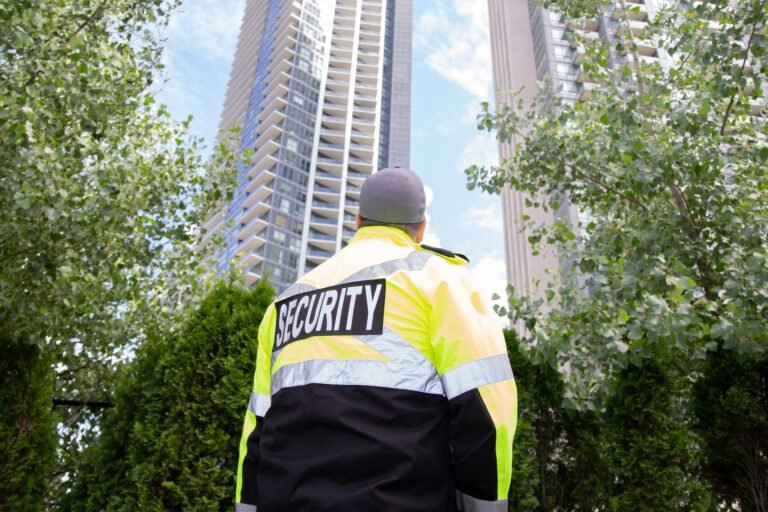
A security guard is a trained professional responsible for protecting people, property, assets and premises against potential security threats. Their duties may include preventing unauthorised access, conducting patrols, monitoring CCTV systems, identifying suspicious activity and responding to incidents.
The exact responsibilities of a security guard depend on the location, type of property and level of security required.
For example, a security guard working at a commercial building may focus on access control and visitor management, while a guard at an event may help manage crowds and maintain public safety.
The primary goal of a professional security guard is to help prevent incidents before they occur and respond appropriately when security concerns arise.
7 Key Roles and Responsibilities of a Security Guard
1. Protecting People and Property
One of the main responsibilities of a security guard is to help protect employees, customers, visitors and property from potential threats.
Security guards maintain a visible presence, monitor their surroundings and identify unusual behaviour that could indicate a security risk. Their presence can discourage theft, vandalism, trespassing and other unwanted activities.
For businesses, this means an additional layer of protection for staff, customers, equipment, stock and premises.
2. Monitoring Access and Preventing Unauthorised Entry
Access control is an important part of effective security management. A security guard may be responsible for checking identification, verifying visitor details, maintaining entry records and ensuring that only authorised individuals enter restricted areas.
These duties are particularly important in office buildings, warehouses, construction sites, residential complexes and commercial premises.
By monitoring who enters and leaves a property, security guards help businesses maintain better control over their premises and reduce the risk of unauthorised access.
3. Conducting Regular Security Patrols
Regular patrols help identify potential risks before they develop into serious incidents.
A security guard may inspect entrances, exits, car parks, storage areas, fences and other vulnerable locations. During patrols, they look for suspicious activity, damaged equipment, unlocked doors, safety hazards and signs of attempted entry.
Patrols can be conducted on foot or by vehicle, depending on the property’s size and security requirements.
Consistent security patrols help improve visibility, identify problems early and support a safer environment.
4. Monitoring CCTV and Security Systems
Modern security often involves a combination of on-site personnel and electronic surveillance.
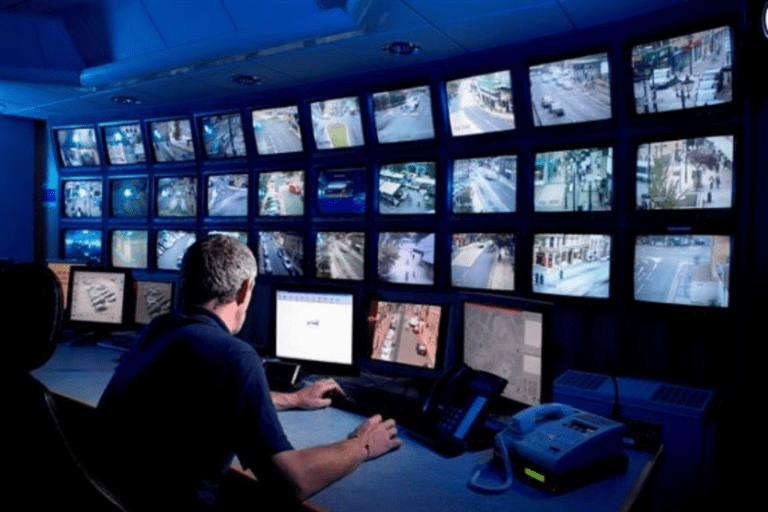
A security guard may monitor CCTV cameras, alarms, access control systems and other security equipment. By observing activity across the premises, they can identify unusual behaviour and report potential incidents quickly.
Technology supports the security process, but trained personnel remain important for assessing situations, verifying concerns and coordinating an appropriate response.
5. Responding to Emergencies and Security Incidents
Security guards may be required to respond to incidents such as theft, disturbances, suspicious activity, fire alarms, medical emergencies and unauthorised entry.
Their responsibilities may include raising the alarm, contacting emergency services, following established emergency procedures, guiding people to safety and documenting the incident.
A security guard should remain calm, communicate clearly and act within their training, authority and legal responsibilities.
For serious emergencies, the priority is protecting life and contacting the appropriate emergency services.
6. Preparing Security Reports and Maintaining Records
Accurate documentation is another important responsibility of a professional security guard.
Depending on the assignment, guards may maintain daily activity logs, visitor registers, patrol records and incident reports. These records help businesses understand what happened, when it happened and what action was taken.
Clear reporting also supports communication between security personnel, management and relevant authorities.
For businesses, reliable security records can improve accountability and help identify recurring risks that require attention.
7. Supporting Workplace Safety and Customer Service
Security guards often serve as the first point of contact for visitors, contractors and customers.
Along with maintaining security, they may provide directions, assist with visitor enquiries, support queue management and help enforce site-specific safety procedures.
At events and commercial venues, a professional and approachable security guard can contribute to a positive visitor experience while maintaining appropriate safety standards.
What Are the Benefits of Hiring a Professional Security Guard?
Hiring a security guard offers several benefits for businesses, property owners, event organisers and other organisations.
1. Reduced Risk of Theft and Vandalism
A visible security presence can deter opportunistic theft, property damage and unauthorised access. Regular patrols and access checks can also help identify vulnerabilities before they are exploited.
2. Improved Safety for Employees and Visitors
Security guards help create a safer environment by monitoring activity, identifying hazards and responding to security concerns. This can provide employees, customers and visitors with greater confidence when entering or using a property.
3. Faster Response to Security Incidents
When a security issue occurs, having trained personnel on-site can help ensure that established procedures are followed promptly. Guards can raise alarms, notify emergency services and help manage the situation within their training and authority.
4. Greater Peace of Mind for Business Owners
Managing a business already involves many responsibilities. Professional security support can help owners and managers focus on daily operations while security personnel monitor designated areas and report potential concerns.
5. Better Access Control and Accountability
Security guards can help maintain visitor records, verify access permissions and monitor entry and exit points. These processes support better oversight of employees, contractors, visitors and deliveries.
6. Support for Workplace Safety Procedures
Depending on their training and assignment, security guards can assist with emergency evacuations, hazard reporting, crowd management and the implementation of site-specific safety procedures.
7. A More Professional Business Environment
A professional security guard can provide a reassuring presence at reception areas, commercial buildings, events and customer-facing venues. Their conduct and communication can contribute to a welcoming, organised and secure environment.
Where Are Security Guard Services Needed?
Different locations have different security requirements. Professional security guard services can help address risks across a variety of environments.
Common examples include:
- Commercial buildings and offices: Access control, visitor management and protection of business assets.
- Construction sites: Monitoring site access, conducting patrols and helping protect equipment and materials.
- Retail stores and shopping centres: Deterring theft, monitoring activity and assisting with incident response.
- Warehouses and industrial facilities: Protecting stock, equipment, restricted areas and delivery points.
- Residential properties: Monitoring entrances, checking visitor access and reporting suspicious activity.
- Events and functions: Supporting crowd management, controlling entry and helping maintain a safe environment.
- Hospitality venues: Managing access, responding to disturbances and helping maintain a safe atmosphere for guests and staff.
The right security arrangement depends on the location, operating hours, potential risks and specific needs of the client.
What Qualities Should You Look for in a Security Guard?
Choosing the right security guard is important for maintaining effective security and professional service.
Here are some qualities to consider when selecting security personnel:
Relevant licensing and training: Security personnel should hold the licences and qualifications required for their duties and jurisdiction.
Strong observation skills: A good security guard pays attention to their surroundings and recognises unusual activity.
Clear communication: Effective communication helps guards report incidents, coordinate responses and interact professionally with the public.
Reliability and punctuality: Consistent attendance and adherence to assigned procedures are essential for dependable security coverage.
Professional conduct: Security personnel should remain respectful, calm and responsible, even in challenging situations.
Emergency preparedness: Appropriate training helps guards respond effectively to emergencies and follow established procedures.
Accurate reporting: Detailed records and timely incident reports help maintain transparency and accountability.
When choosing a security provider, businesses should also consider supervision, communication, service flexibility and the provider’s ability to meet their particular security requirements.
Why Choose Baaz Security Services?
Choosing a security provider is an important step towards protecting your people, property and business operations.
Baaz Security Services aims to support clients with security solutions suited to their operational needs. Whether you require security for a commercial premises, a construction site, a retail environment or an event, selecting an appropriate security arrangement starts with understanding your risks and priorities.
When evaluating security services, consider the level of coverage required, the responsibilities assigned to security personnel, incident reporting procedures and the provider’s licensing and compliance arrangements.
A well-planned security approach can help strengthen site security, improve awareness of potential risks and provide greater peace of mind.
Contact Baaz Security Services to discuss your security requirements and determine what type of security support may be suitable for your premises or business.
Frequently Asked Questions About Security Guards
1. What is the main role of a security guard?
The main role of a security guard is to help protect people, property and assets by monitoring premises, preventing unauthorised access, identifying potential threats and responding to security incidents.
2. What are the daily responsibilities of a security guard?
Daily responsibilities may include conducting patrols, monitoring CCTV, checking visitor access, observing suspicious activity, reporting hazards, responding to incidents and maintaining security records.
3. Why should a business hire a security guard?
A business may hire a security guard to deter theft, control access, support workplace safety, protect assets and provide a visible security presence for employees and visitors.
4. Can a security guard respond to emergencies?
Yes. Depending on their training and assignment, a security guard can raise alarms, contact emergency services, follow emergency procedures and help guide people to safety. Their response must remain within their training and legal authority.
5. What is the difference between a security guard and a security system?
A security guard provides human observation, judgement, communication and an on-site response. A security system, such as CCTV or an alarm, helps detect and record activity. Combining suitable personnel with technology can provide a more comprehensive security approach.
6. Are security guards required to be licensed in Western Australia?
Security guards performing licensable security work in Western Australia generally need the appropriate licence under applicable state legislation. Requirements depend on the type of work being performed. Businesses should verify current licensing requirements with the relevant Western Australian licensing authority before engaging security personnel.
7. How do I choose the right security guard service?
Start by assessing your property’s risks, operating hours, access points and security priorities. Then evaluate providers based on licensing, relevant experience, training, supervision, incident reporting and the suitability of their proposed security arrangements.
Conclusion
A professional security guard does much more than monitor an entrance. From protecting people and property to managing access, conducting patrols, monitoring security systems and responding to incidents, security personnel play an important role in maintaining safer environments.
For businesses and property owners, investing in appropriate security guard services can help deter potential threats, improve accountability and provide greater peace of mind.
Baaz Security Services can be a starting point for businesses looking to understand their security needs and explore suitable protection options. Assess your risks, choose appropriately qualified personnel and develop a security plan that supports the safety of your people and property.
Looking for security support for your business or property? Contact Baaz Security Services to discuss your requirements.