
Different Types of Security Guards in Australia Explained
Security plays an important role in protecting businesses, employees, customers, residential properties and public spaces across Australia. From monitoring commercial buildings to managing crowds at large events, professional security personnel help prevent security incidents and maintain safer environments.
However, not every security guard performs the same duties. Different workplaces and situations require different types of security services, depending on the level of risk, location and operational requirements.
Understanding the different types of security guards in Australia can help business owners, property managers and event organisers choose the right security solution for their needs.
At Baaz Security Services, we understand the importance of choosing appropriate security support. In this guide, we explain the most common types of security guards in Australia, their responsibilities and where their services may be needed.
What Is a Security Guard?
A security guard is a professional responsible for helping protect people, property and assets by monitoring premises, controlling access, identifying potential threats and responding to security incidents.
Depending on their role, a security guard may work in an office building, shopping centre, warehouse, construction site, residential complex, hospitality venue or event space.
In Australia, security licensing and training requirements vary by state and territory. Security personnel must hold the appropriate licence for the work they perform, where required by law.
The right security guard depends on the specific risks and requirements of the location being protected.
10 Different Types of Security Guards in Australia
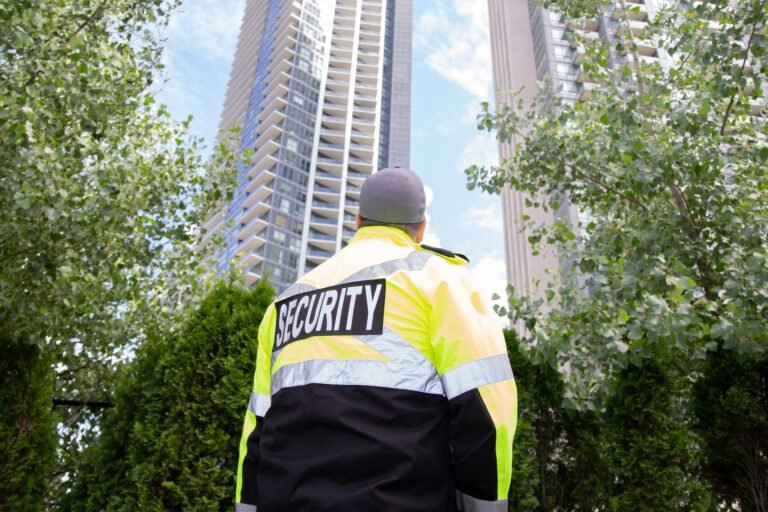
1. Static Security Guards
Static security guards are assigned to a fixed location for a specified period. Their primary responsibility is to monitor the premises, control access and maintain a visible security presence.
Key responsibilities include:
- Monitoring entrances and exits.
- Checking identification and visitor credentials.
- Preventing unauthorised access.
- Observing suspicious behaviour.
- Reporting incidents and security concerns.
- Following site-specific security procedures.
Where are static security guards needed?
Static security guards are commonly used in office buildings, commercial properties, warehouses, construction sites, reception areas and other locations that require a consistent on-site presence.
They are particularly useful for businesses that need regular monitoring of a specific building or access point.
2. Mobile Patrol Security Guards
Mobile patrol security guards move between different locations to conduct scheduled or random security inspections. Unlike guards assigned to a single post, mobile patrol personnel cover a wider area.
Key responsibilities include:
- Inspecting buildings and property boundaries.
- Checking doors, gates and access points.
- Identifying signs of trespassing or property damage.
- Responding to reported security concerns.
- Conducting after-hours inspections.
- Recording patrol activities and incidents.
Where are mobile patrol security guards needed?
Mobile patrols are suitable for commercial properties, industrial facilities, business parks, retail premises and properties that require after-hours checks.
For businesses with multiple locations or large premises, mobile patrol security can provide flexible coverage across designated areas.
3. Event Security Guards
Event security guards help maintain safety and order at public and private events. Their work may involve managing entry points, monitoring crowds and responding to disturbances.
Key responsibilities include:
- Checking tickets, credentials or permitted entry.
- Managing queues and crowd movement.
- Monitoring event areas for potential risks.
- Assisting with emergency procedures.
- Reporting incidents to event organisers.
- Supporting the enforcement of venue rules.
Where are event security guards needed?
Event security is commonly required at concerts, festivals, sporting events, exhibitions, conferences, private functions and large celebrations.
The number of guards and their responsibilities depend on factors such as attendance, venue layout, event type and assessed risks.
4. Retail Security Guards
Retail security guards help protect shops, shopping centres and retail businesses against theft, vandalism and other security incidents.
Their presence can help deter opportunistic theft while supporting a safer shopping environment for customers and staff.
Key responsibilities include:
- Monitoring customer and staff areas.
- Observing suspicious activity.
- Deterring theft and property damage.
- Reporting suspected incidents.
- Supporting store security procedures.
- Communicating with store management when concerns arise.
Where are retail security guards needed?
Retail security guards may work in supermarkets, shopping centres, department stores, electronics retailers, clothing shops and other commercial retail environments.
Their duties should be clearly defined, with any intervention conducted within applicable law, training and authority.
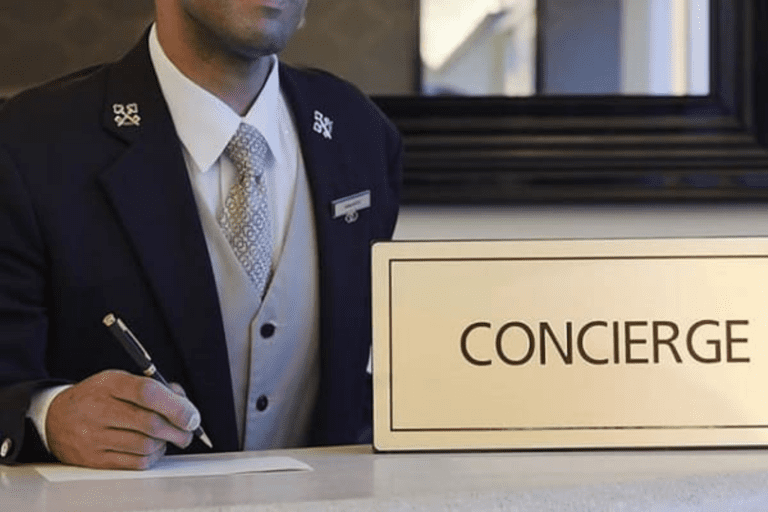
5. Corporate and Commercial Security Guards
Corporate security guards help protect office buildings, business premises and commercial facilities. They often combine security responsibilities with professional reception and visitor management duties.
Key responsibilities include:
- Managing visitor registration.
- Checking access permissions.
- Monitoring building entrances and common areas.
- Maintaining visitor and incident records.
- Supporting emergency response procedures.
- Reporting suspicious activity or safety concerns.
Where are corporate security guards needed?
These guards are commonly found in corporate offices, commercial towers, business centres, financial workplaces and other professional environments.
A professional and approachable security guard can help businesses maintain both a secure workplace and a positive visitor experience.
6. Construction Site Security Guards
Construction sites often contain valuable equipment, tools, building materials and machinery. These sites may be particularly vulnerable to theft, trespassing and property damage outside working hours.
Construction site security guards help monitor these risks and protect designated areas.
Key responsibilities include:
- Checking worker and contractor access.
- Monitoring deliveries and vehicle movements.
- Conducting site patrols.
- Identifying unauthorised entry.
- Reporting damaged fencing or access points.
- Recording security incidents and unusual activity.
Where are construction site security guards needed?
They are suitable for residential developments, commercial construction projects, infrastructure works, building sites and major renovation projects.
Security arrangements should reflect site size, operating hours, equipment value and the potential risks identified through a site assessment.
7. Warehouse and Industrial Security Guards
Warehouses and industrial facilities may store high-value stock, machinery, raw materials and equipment. Effective security can help reduce the risk of unauthorised access, theft and operational disruption.
Key responsibilities include:
- Monitoring loading docks and delivery areas.
- Verifying authorised access.
- Recording vehicle entry and exit.
- Conducting perimeter patrols.
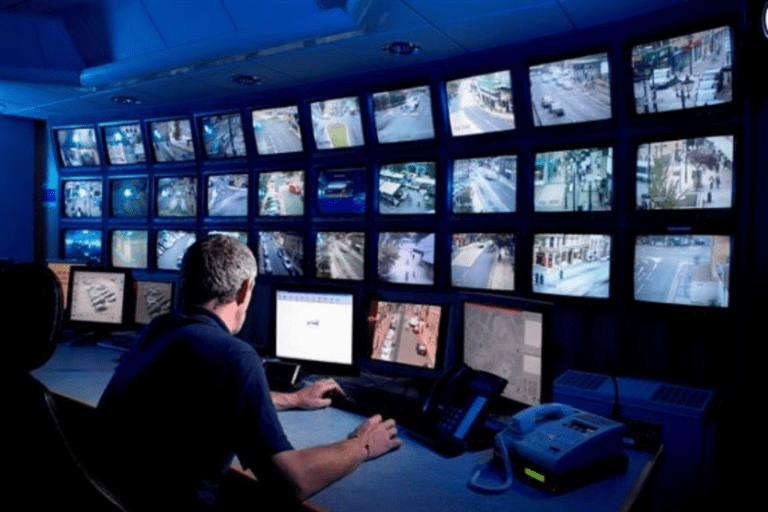
- Monitoring surveillance systems where assigned.
- Reporting suspicious activity and security breaches.
Where are warehouse and industrial security guards needed?
These guards may work in distribution centres, storage facilities, manufacturing plants, logistics hubs and industrial estates.
The security plan may combine on-site personnel, access controls, CCTV monitoring and mobile patrols.
8. Residential Security Guards
Residential security guards help protect apartment complexes, gated communities and other residential properties by monitoring access and reporting potential security concerns.
Their presence can help residents feel more secure while supporting the management of shared spaces.
Key responsibilities include:
- Monitoring residential entrances.
- Verifying visitor access in accordance with site rules.
- Conducting common-area patrols.
- Reporting suspicious activity.
- Maintaining visitor records where required.
- Supporting emergency procedures.
Where are residential security guards needed?
Residential security services may be appropriate for apartment buildings, gated communities, residential developments and selected managed properties.
The level of security should be based on residents’ needs, property layout and an assessment of potential risks.
9. Loss Prevention Security Guards
Loss prevention security guards focus on reducing theft, inventory losses and other forms of preventable loss, particularly in retail and commercial environments.
Their work may involve observing behaviour, reviewing security procedures and reporting suspected theft or policy breaches.
Key responsibilities include:
- Observing potential theft-related activity.
- Monitoring designated retail areas.
- Identifying weaknesses in loss prevention procedures.
- Reporting incidents to authorised management.
- Maintaining accurate documentation.
- Supporting lawful and site-approved security processes.
Where are loss prevention security guards needed?
They are commonly used in supermarkets, department stores, shopping centres, warehouses and businesses managing valuable inventory.
Loss prevention duties must be performed in accordance with applicable laws, privacy obligations and the guard’s authorised role.
10. Crowd Control and Licensed Venue Security Guards
Crowd control personnel and security guards working at licensed venues help manage entry, monitor patron behaviour and respond to disturbances.
In Australia, crowd control and security work can involve specific licensing conditions, particularly in licensed premises and entertainment venues. Requirements differ between jurisdictions.
Key responsibilities include:
- Monitoring entry and exit points.
- Managing queues and crowd movement.
- Checking identification where legally authorised and required.
- Enforcing venue entry conditions within the law.
- Identifying and reporting aggressive behaviour.
- Requesting assistance or contacting emergency services when necessary.
Where are crowd control security guards needed?
They may be required at pubs, bars, nightclubs, festivals, concerts and other venues where crowd management is an important safety consideration.
Appropriate staffing, clear communication and compliance with licensing conditions are essential for effective venue security.
How to Choose the Right Security Guard in Australia
Selecting the right security guard involves more than choosing someone to monitor a property. Businesses should consider the environment, likely risks and the responsibilities required.
Here are six important factors to consider.
1. Assess your security risks
Identify potential concerns such as theft, unauthorised entry, property damage, crowd disturbances or after-hours access.
2. Choose the appropriate security type
A fixed post may suit a commercial building, while mobile patrols may be better for multiple properties. Events and licensed venues may require personnel with specific crowd management responsibilities.
3. Check licensing and training
Verify that the provider and assigned personnel meet the applicable licensing, training and legal requirements for the relevant Australian state or territory.
4. Consider operating hours
Determine whether you need daytime coverage, overnight security, weekend patrols or protection during specific events.
5. Review communication and reporting
Ask how incidents will be documented, who receives reports and how security concerns are escalated.
6. Match the service to your budget and requirements
Compare proposed coverage, staffing, supervision and responsibilities rather than selecting a provider on price alone.
A suitable security arrangement should balance practical coverage, compliance and the risks associated with your premises.
Are Security Guards Licensed in Australia?
Security licensing in Australia is regulated at the state and territory level. The requirements depend on the type of security work being performed and the jurisdiction in which the work takes place.
For example, security licensing in Western Australia is administered through the relevant state licensing framework. Different requirements may apply to security officers, crowd controllers, security businesses and other regulated activities.
Before engaging a security guard, businesses should confirm that the individual holds the appropriate current licence and that the security provider meets any applicable business licensing requirements.
Employers and clients should also consider role-specific training, relevant experience and any additional requirements associated with the site or assignment.
For current requirements, consult the official licensing authority for the state or territory where the work will take place.
Why Choose Professional Security Guard Services from Baaz Security Services?
Choosing the right security provider can help businesses take a more organised approach to protecting their people, premises and assets.
Baaz Security Services can help businesses explore security requirements based on their operational environment and the risks they need to address.
When considering security services, look for a provider that can explain the proposed coverage, responsibilities, reporting procedures and relevant licensing arrangements.
Whether your requirements involve a commercial property, a construction site, a warehouse, a residential development or an event, the appropriate security solution should be based on your needs rather than a one-size-fits-all approach.
A well-planned security arrangement can help strengthen access control, improve awareness of potential risks and support a safer working or visitor environment.
Contact Baaz Security Services to discuss your requirements and explore suitable security options.
Conclusion
Different types of security guards serve different purposes across Australia’s commercial, industrial, residential and public environments. From static security and mobile patrols to event security, retail loss prevention and crowd control, each role addresses particular risks and operational requirements.
Understanding these differences helps businesses choose security services that match their premises, operating hours and safety priorities.
Baaz Security Services encourages businesses to assess their security requirements carefully and explore suitable protection options. Choosing appropriately qualified personnel and establishing clear security procedures can help protect people, property and business operations.
Need security support for your business or property? Contact Baaz Security Services to discuss your security requirements.