
Workplace Security: How Businesses Can Create a Safer Environment
A safe workplace is essential for every successful business. Whether you operate a corporate office, retail store, warehouse, construction site or commercial facility, protecting employees, customers, visitors and business assets should always be a priority.
Workplace security is no longer just about preventing theft or controlling access to a building. It involves creating a secure environment where employees feel protected, visitors feel comfortable and businesses can operate without unnecessary security risks.
With increasing concerns about unauthorised access, workplace incidents, theft, vandalism and other potential threats, businesses need reliable security strategies that address risks before they become serious problems.
At Baaz Security Services, we understand that effective workplace security requires a combination of professional security personnel, proactive monitoring, access control and well-planned security procedures.
In this guide, we explore practical ways businesses can improve workplace security and create a safer environment for everyone.
1. Conduct Regular Workplace Security Risk Assessments
The first step towards improving workplace security is understanding where potential risks exist.
Every business has different security requirements depending on its location, size, industry, operating hours and number of employees.
A workplace security risk assessment helps identify vulnerabilities before they lead to incidents.
Businesses should regularly assess:
Entry and exit points that may allow unauthorised access.
Areas with valuable equipment, stock or confidential information.
Poorly lit car parks, hallways and outdoor spaces.
Blind spots in CCTV coverage.
Security risks during opening and closing hours.
Emergency exits and evacuation procedures.
Identifying these risks allows businesses to develop security strategies that address their specific requirements.
2. Hire Professional Security Guards
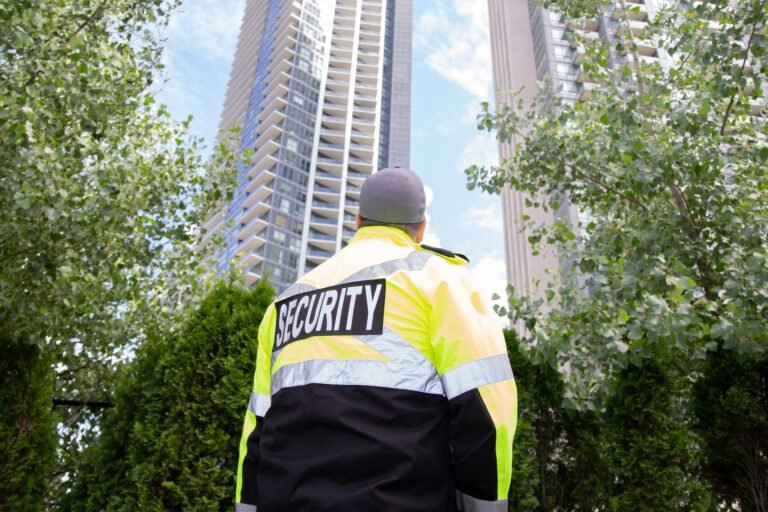
Having trained security personnel on-site is one of the most effective ways to improve workplace security.
Professional security guards provide a visible security presence, help deter suspicious activity and respond to potential incidents.
Their responsibilities may include:
Monitoring workplace entry and exit points.
Verifying visitors and managing access.
Conducting regular security patrols.
Monitoring suspicious behaviour.
Assisting employees and visitors.
Responding to security incidents.
Supporting emergency procedures.
A professional security presence can make employees feel safer while helping businesses maintain better control over their premises.
For offices, retail stores, warehouses and commercial facilities, choosing experienced security personnel can make a significant difference to daily operations.
3. Implement Effective Access Control Systems
Not everyone should have unrestricted access to every area of a workplace.
Access control is an important part of workplace security because it helps businesses manage who can enter their premises and which areas they are permitted to access.
Depending on the business environment, access control measures may include:
Electronic access cards.
Keypad entry systems.
Biometric identification.
Visitor registration systems.
Reception security procedures.
Restricted-access areas.
Businesses should also ensure that access permissions are updated when employees change roles or leave the organisation.
Combining access control technology with professional security personnel creates an additional layer of protection against unauthorised entry.
4. Install CCTV and Security Monitoring Systems
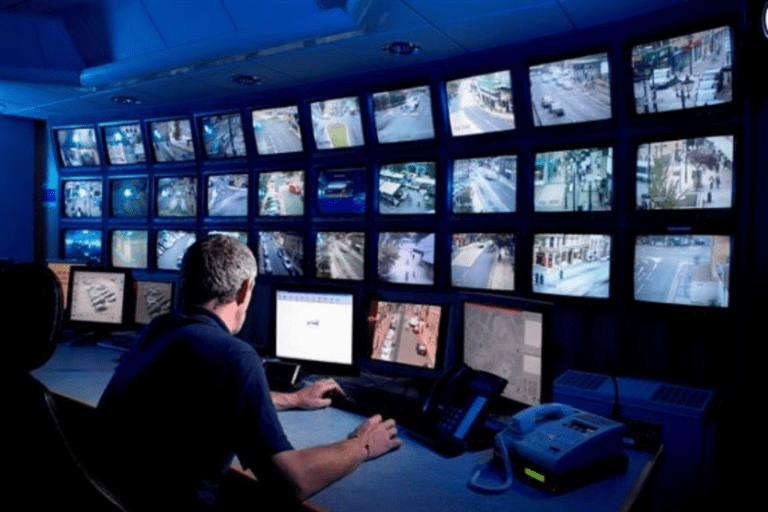
Modern CCTV systems allow businesses to monitor their premises and identify potential security concerns.
Strategically positioned cameras can help monitor entrances, reception areas, car parks, storage rooms, loading zones and other vulnerable locations.
The benefits of workplace CCTV include:
Monitoring workplace activities.
Helping deter theft and vandalism.
Identifying suspicious behaviour.
Supporting incident investigations.
Improving visibility across large premises.
Providing recorded footage when required.
However, CCTV should not be treated as a complete replacement for physical security. Cameras can capture incidents, but trained security personnel can actively assess situations and respond when necessary.
Businesses should also ensure their CCTV systems comply with applicable privacy and surveillance requirements.
5. Improve Workplace Lighting and Physical Security
Poor lighting and unsecured entry points can create opportunities for unwanted activities.
Businesses should pay particular attention to areas that are less frequently monitored, especially outside normal working hours.
Practical improvements include:
Installing sufficient lighting around entrances and exits.
Securing windows, doors and emergency access points.
Using appropriate locks and security barriers.
Maintaining clear visibility around the property.
Securing storage rooms and equipment areas.
Regularly inspecting fences and perimeter boundaries.
These physical security measures can reduce vulnerabilities and make commercial premises more difficult to access without authorisation.
6. Train Employees on Workplace Security Procedures
Workplace security is everyone’s responsibility, not just the security team’s.
Employees should understand how to identify potential threats and follow the correct procedures when something unusual occurs.
Businesses can organise regular security awareness training covering:
Identifying suspicious behaviour.
Reporting security concerns.
Handling unknown visitors.
Protecting confidential business information.
Following emergency evacuation procedures.
Responding to workplace incidents.
Maintaining secure passwords and digital access.
Employees who understand workplace security procedures are more likely to recognise risks and respond appropriately.
Regular training also helps build a stronger workplace safety culture.
7. Develop Emergency Response and Incident Management Plans
Even with strong security measures, unexpected incidents can happen.
Businesses should have clear emergency response plans to ensure employees know what to do during an emergency.
Depending on the workplace, emergency situations may include fire, medical incidents, unauthorised entry, workplace violence, theft or other security threats.
An effective emergency response plan should include:
Clearly identified emergency exits.
Accessible emergency contact information.
Defined responsibilities for employees and security personnel.
Evacuation procedures.
First-aid arrangements.
Incident reporting processes.
Regular emergency drills.
Businesses should review these procedures regularly to ensure they remain relevant and practical.
8. Maintain Security During After-Hours Operations
Workplace security should not stop when employees leave for the day.
Commercial properties can face different security risks outside normal operating hours, particularly when premises are unoccupied or have limited supervision.
After-hours security measures may include:
Scheduled security patrols.
Locking and securing all access points.
Monitoring alarm and CCTV systems.
Inspecting vulnerable areas.
Managing authorised after-hours access.
Checking for signs of damage or suspicious activity.
For warehouses, construction sites, commercial buildings and retail premises, after-hours security can play an important role in protecting valuable assets.
9. Choose a Security Solution That Matches Your Business
There is no single security strategy that works for every business.
A corporate office may require access control and reception security, while a warehouse may need perimeter patrols, asset protection and after-hours monitoring.
When selecting workplace security services, businesses should consider:
The size and location of the premises.
The number of employees and daily visitors.
Operating hours and shift patterns.
Existing security systems.
Previous security incidents.
Industry-specific security requirements.
The level of security coverage needed.
Working with a professional security provider helps businesses identify suitable solutions and develop a more effective security plan.
Why Professional Workplace Security Matters
Investing in workplace security is an investment in the long-term stability of a business.
A well-planned security strategy offers several important benefits:
1. Improved employee confidence: Employees are more comfortable working in an environment where their safety is taken seriously.
2. Protection of business assets: Security measures help reduce the risk of theft, vandalism and unauthorised access.
3. Better visitor management: Professional security personnel help businesses maintain controlled and organised access.
4. Reduced security risks: Identifying vulnerabilities and implementing preventive measures can help minimise potential incidents.
5. Business continuity: Effective security procedures help businesses manage disruptions and maintain safer daily operations.
6. Professional business image: A secure and well-managed workplace creates a positive impression on employees, customers and visitors.
How Baaz Security Services Can Help Businesses Improve Workplace Security
Creating a safer workplace requires the right combination of planning, professional personnel and reliable security practices.
Baaz Security Services understands the importance of protecting commercial environments through professional and dependable security solutions.
Whether you manage an office, retail business, warehouse, construction site or commercial property, having the right security arrangements can help protect your people, premises and valuable assets.
By understanding your workplace requirements and potential security risks, Baaz Security Services can help businesses implement suitable security measures to support a safer working environment.
From maintaining a visible security presence to supporting access management and site security, professional security services can make workplace protection more effective.
If your business is looking to strengthen its security arrangements, consider working with an experienced security provider that understands the importance of safety, reliability and professionalism.
Final Thoughts
Workplace security is an essential part of running a responsible and successful business. From protecting employees and visitors to securing valuable assets, businesses need a proactive approach that addresses potential risks before they become serious concerns.
By combining professional security personnel, effective access control, CCTV monitoring, employee awareness and emergency planning, businesses can create safer and more secure working environments.
Baaz Security Services is committed to supporting businesses with professional security solutions that help protect workplaces and provide greater peace of mind.
Looking to improve workplace security? Get in touch with Baaz Security Services to discuss your business security requirements.