
Warehouse Security: Effective Strategies to Protect Assets and Prevent Theft
Warehouses store everything from everyday stock and equipment to high‑value products and business‑critical assets. That makes them attractive targets for theft, unauthorised access and other risks.
For operators, warehouse security isn’t just about putting a guard at the entrance. A strong strategy looks at the entire site access points, loading areas, stockrooms, perimeter zones and after‑hours activity. Done well, it protects assets, reduces risks and creates a safer environment for employees and visitors.
Why Is Warehouse Security Important?
A warehouse often contains a huge amount of valuable stock in one place. A single incident can mean more than lost goods it can cause financial damage, disrupt operations, delay deliveries, raise insurance issues, and even harm your reputation.
With multiple access points, large outdoor areas, delivery vehicles and times when few staff are present, warehouses need a structured approach to stay secure.
1. Identify Your Warehouse’s Security Risks
Every warehouse is different. A facility storing electronics faces different risks than one handling general merchandise.
Start with a risk assessment:
- What assets are stored?
- Where are the entry and exit points?
- Who has access to stockrooms?
- Are there blind spots?
- What happens after hours?
- How are deliveries managed?
- Have there been past incidents?
This helps you pinpoint vulnerabilities and focus resources where they’ll have the greatest impact.
2. Control Access to the Warehouse
Unauthorised access is one of the biggest risks. Not everyone should have access to every area.
Set different levels of access for employees, contractors, drivers, visitors and suppliers. Use ID checks, access cards, visitor registers and controlled entry points.
The goal is simple: know who’s entering, why they’re there, and which areas they’re allowed to access.
3. Protect Loading and Delivery Areas
Loading bays are busy, with constant movement of people, vehicles and goods. That makes them vulnerable.
Strengthen security with clear procedures for driver ID, delivery documentation, vehicle access, restricted zones and unloading. Security personnel can monitor activity and ensure only authorised behaviour takes place.
4. Use CCTV to Improve Visibility
Large warehouses are hard to monitor manually. CCTV adds visibility across entrances, loading bays, stock areas, perimeters and car parks.
It also provides valuable footage for investigations. But cameras shouldn’t replace people — the strongest approach combines CCTV, trained personnel, access control and clear procedures.
5. Consider Professional Warehouse Security Guards
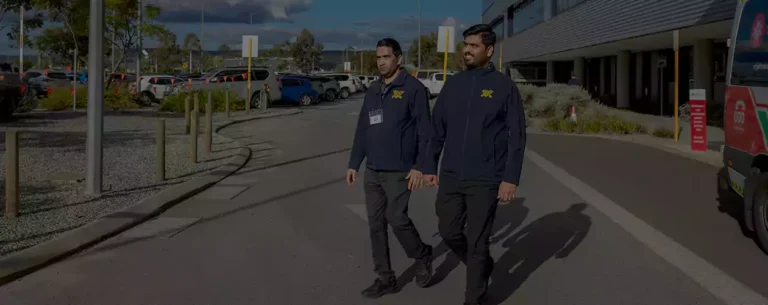
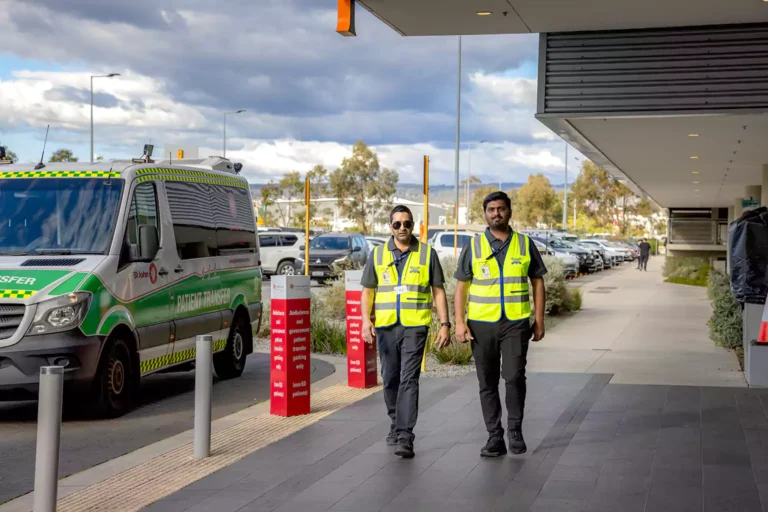
For higher‑risk facilities, trained guards provide a visible, proactive presence. They can monitor entrances, check visitors, patrol the property, watch loading areas, respond to incidents and support emergency procedures.
A professional presence deters theft and reassures staff, but responsibilities should be tailored to the site’s needs.
6. Use Mobile Patrols for Larger Sites
Big warehouses can be difficult to monitor continuously. Mobile patrols add flexibility, especially after hours.
Patrols can check perimeters, gates, doors, loading zones and equipment. Randomised schedules make it harder for offenders to predict when checks occur. For large sites, patrols complement static guards and CCTV.
7. Protect High‑Value Assets
Not all stock carries the same risk. Identify high‑value or frequently targeted items and give them extra protection — restricted access, barriers, asset tracking, additional CCTV or lighting.
This targeted approach ensures resources are focused where they matter most.
8. Improve Perimeter Security
Weak perimeters invite unauthorised entry. Regularly check fences, gates, external doors, lighting, parking areas and boundary zones.
Good lighting improves visibility, and inspections help spot damaged fencing or unsecured gates before they become bigger problems.
9. Secure the Warehouse After Hours
An empty warehouse can be more vulnerable. After‑hours security should combine CCTV monitoring, alarms, patrols, static guards, controlled access and strong locking procedures.
The right mix depends on the site’s size, location, asset value and risk profile.
10. Maintain Strong Visitor and Contractor Procedures
Warehouses often host contractors, drivers and suppliers. Without clear procedures, it’s hard to know who’s legitimately on site.
Use sign‑in processes, ID checks, visitor badges, escorts where needed, restricted access and sign‑out procedures. The aim isn’t to slow visitors down — it’s to keep track of who’s on site and where they’re allowed to go.
11. Train Employees on Warehouse Security
Technology and guards are important, but staff play a role too. Train employees to:
- Report suspicious behaviour
- Secure access points
- Handle visitors properly
- Protect keys or access credentials
- Respond to emergencies
- Report missing stock or damaged equipment
Make it clear they shouldn’t put themselves at risk. Their role is to recognise, report and follow procedures.
12. Monitor Stock and Inventory
Shrinkage isn’t always theft. Errors in receiving, recording or moving stock can cause losses too.
Clear inventory procedures for receiving, dispatch, returns and damaged goods — plus regular checks — help spot problems early. Combined with physical security, this gives a clearer picture of where losses occur.
13. Keep Security Procedures Up to Date
Warehouses evolve — layouts, stock and staff change. Security risks change too.
Review incidents, access records, CCTV coverage, patrol schedules, visitor logs, stock discrepancies and employee feedback regularly. Updates keep your plan relevant and effective.
What Is the Best Warehouse Security Solution?
There’s no one‑size‑fits‑all. Smaller sites may need access control and CCTV. Larger distribution centres may require guards, patrols, perimeter protection and asset protection.
The key is tailoring measures to your actual risks, not just adding security for the sake of it.
Warehouse Security and Asset Protection Together
Security isn’t just about keeping people out — it’s about protecting what’s inside. High‑value equipment and stock may need extra controls.
Combining physical security, surveillance, access control, trained personnel and inventory procedures creates a stronger, more comprehensive approach.
Baaz Security provides asset protection services as part of its wider warehouse security solutions.
How to Prevent Warehouse Theft
Practical steps include:
- Identify vulnerable areas
- Control access
- Improve visibility
- Protect valuable stock
- Monitor the perimeter
- Secure after hours
- Train employees
- Review results regularly
The Goal Isn’t Just More Security, It’s the Right Security
Adding more guards or cameras isn’t automatically the answer. Effective warehouse security means understanding your site’s risks and building a strategy around them.
Baaz Security offers flexible solutions from security guards and mobile patrols to CCTV operations and asset protection services — so businesses can choose the right mix for their needs.
Final Thoughts
Warehouse security protects more than products. It safeguards stock, equipment, employees, visitors and operations.
From access control and CCTV to guards, patrols, perimeter checks and asset protection, there are many measures businesses can use to reduce risks.
The key is to understand your risks first, then choose measures that address them effectively. Regular reviews ensure your strategy keeps pace with changes in your warehouse and business.
Looking for Warehouse Security Services?
Baaz Security provides professional security solutions for warehouses and distribution centres, including security guards, mobile patrols, CCTV operations and asset protection. If you’re reviewing your warehouse security, contact Baaz Security to discuss the right approach for your site.
FAQs
What is warehouse security?
Measures to protect warehouses, stock, equipment, employees and assets from theft, unauthorised access and other risks.
How can I improve warehouse security?
Identify vulnerabilities, then use access control, CCTV, guards, patrols, perimeter protection, staff training and inventory procedures.
How can warehouses prevent theft?
Control access, protect high‑value assets, monitor loading areas, use CCTV and patrols, and maintain clear inventory and visitor procedures.
Do warehouses need security guards?
It depends on size, location, operating hours and asset value. Guards are most useful for higher‑risk sites.
Is CCTV enough?
CCTV adds visibility but works best when combined with other measures like access control and trained personnel.
What is warehouse asset protection?
Measures to protect valuable stock, equipment and property from theft, damage or unauthorised access.